Agricultural Service
Vineyard and Orchard Maintenance in West Richland: How Property Owners Can Reclaim Soggy, Uneven Acreage Before Building or Planting
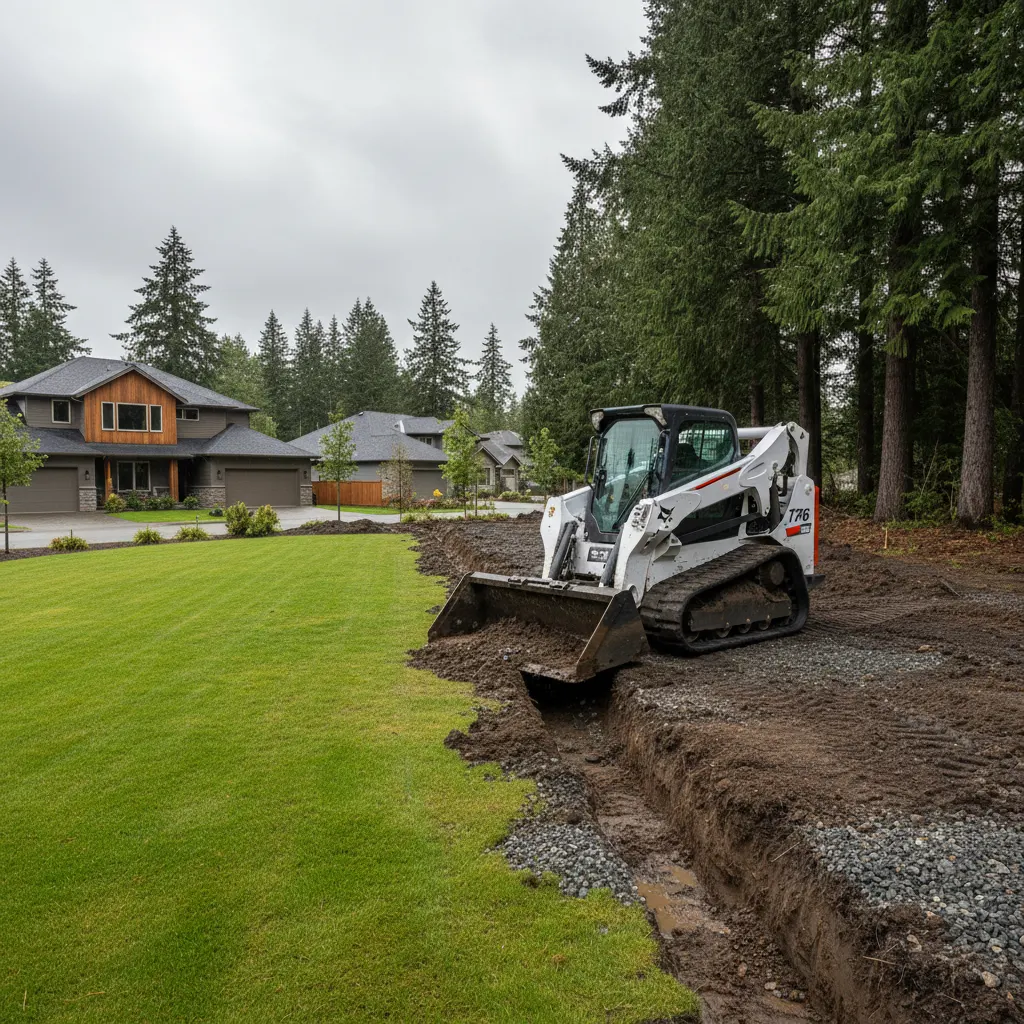
Soggy ground and uneven grades after irrigation or rain can affect row layout, root health and equipment access. Here is how to read low spots and runoff patterns before a planting plan is locked in.
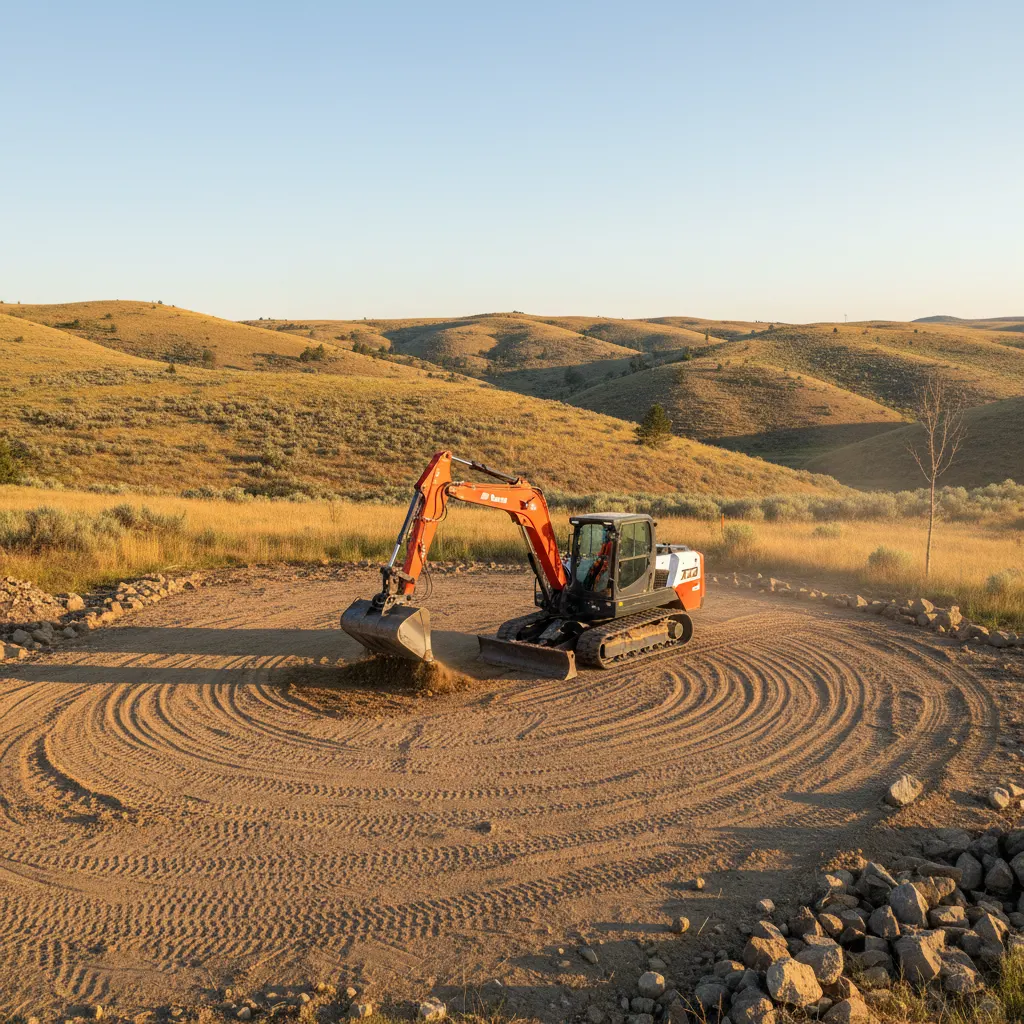
Vineyard and orchard maintenance in West Richland starts with understanding how water behaves across your property before you commit to planting, building, or opening up usable ground. If acreage stays soggy after irrigation or rain, shows uneven settlement, or funnels runoff into low areas, those conditions can affect row layout, root health, equipment access, and long term land performance. For property owners planning future planting areas, open space, or improved site function, careful evaluation of low spots, drainage patterns, soil movement, and access routes helps prevent erosion problems and expensive rework later.
Why wet, uneven acreage should be evaluated before planting plans move forward
On rural and semi-rural properties, soggy ground is rarely just a surface problem. Standing water can point to compacted layers, poor slope transitions, shallow collection areas, or runoff entering from higher ground. In West Richland, these issues matter because vineyard and orchard layouts depend on consistent drainage, stable soil, and reliable access. Ground that looks manageable in dry conditions may become difficult to work once moisture builds up around future rows, turning radiuses, or service lanes. Property owners who want to improve land use should look beyond the puddle itself and evaluate where the water starts, where it slows down, and where it exits the site.
A practical first step is walking the acreage after moisture events and documenting recurring wet areas, ruts, soft shoulders, and sediment trails. These visible signs often reveal runoff routes and grading inconsistencies that affect vineyard and orchard maintenance decisions. The goal is not just to dry out one spot, but to understand how the entire site functions as a system.
- Persistent puddling in the same depressions
- Soft or rut-prone access lanes near planting areas
- Water moving across slopes instead of soaking evenly
- Sediment deposits at the bottom of grades
- Uneven ground that limits row spacing or equipment travel
How to assess low spots, runoff patterns, and soil movement
For effective vineyard and orchard maintenance in West Richland, low spots should be evaluated in relation to the surrounding grade rather than treated as isolated trouble areas. A shallow basin may be collecting sheet flow from a long slope, water from a compacted driveway edge, or overspray from irrigation. Likewise, a wet strip running through a future planting zone may indicate that runoff is being concentrated by subtle elevation changes you cannot easily see from ground level. This is why site review should include slope breaks, existing drainage paths, and any signs that topsoil is migrating downhill.
Soil movement is especially important when planning long term agricultural use. If fine material is washing away from upper sections and settling lower on the property, the site can gradually lose uniformity and create row to row inconsistencies. Erosion does not always appear dramatic at first, it can show up as exposed roots, narrow channels, thin topsoil, or repeated washouts along access lanes.
What matters most during evaluation
Focus on where water originates, how it travels, where it slows down, and whether existing access routes or grade changes are concentrating runoff into future planting areas.
Preparing acreage for future rows, pads, and open space without creating erosion
Many property owners want acreage that can support future building pads, orchards, vineyards, or flexible open space. The challenge is improving usability without redirecting water in ways that create new erosion issues. In West Richland, successful vineyard and orchard maintenance planning often means balancing smooth, workable grades with controlled drainage patterns. If land is flattened too aggressively or water is pushed too quickly, lower parts of the property may receive more runoff than they can handle. If grade transitions are left abrupt, equipment travel can remain difficult and certain areas may continue to stay wet.
That is why site preparation should look at the whole sequence of use: entry, turning, row alignment, water movement, and future improvements. Even when the immediate focus remains on vineyard and orchard maintenance, sequencing land decisions carefully keeps future work from disturbing stabilized grades or drainage paths.
Access matters as much as drainage
Usable acreage is not defined only by where vines or trees can grow. It is also defined by whether maintenance equipment can move across the property without bogging down, cutting ruts, or forcing repeated passes through soft ground. Narrow approach points, low shoulders, and unstable transitions between flatter sections can all limit the practical value of a site. Good vineyard and orchard maintenance in West Richland should account for how crews and equipment will enter, turn, and work around rows or planting zones over time. Access that is ignored at the planning stage often becomes a recurring maintenance problem later.
When drainage symptoms point to larger site-readiness concerns
Sometimes soggy or uneven acreage is a signal that the property needs a more complete site readiness review. Repeated wetness near future use areas can overlap with debris, unmanaged vegetation, unstable surfaces, or constrained haul access. While this article is focused on vineyard and orchard maintenance, property owners should recognize that drainage symptoms can reveal broader land use limitations that need attention before work begins.
It is also worth considering how surrounding land management influences moisture and exposure. Overgrown edges, unmanaged vegetation, and neglected transitions between open ground and planting areas can affect airflow, visibility, and the way surface water is distributed. Drainage, access, and ongoing agricultural usability are closely connected, and evaluating them together leads to better outcomes.
What professional planning helps property owners avoid
- Planting into low areas that stay saturated too long
- Creating new runoff problems by changing grades without a drainage plan
- Allowing soil to migrate and reduce row consistency over time
- Losing access to sections of the property during wet periods
- Paying for repeated corrections after future improvements are already underway
Professional evaluation helps separate temporary wet conditions from underlying land shape problems. It also helps property owners prioritize the sequence of improvements so the acreage becomes more reliable for future use rather than more complicated. On a site intended for planting or open space function, that means understanding the relationship between drainage patterns, soil stability, and traffic flow before any major decisions are locked in. For West Richland owners, this approach supports practical, durable vineyard and orchard maintenance planning that protects the land instead of chasing recurring symptoms.
Conclusion: smarter vineyard and orchard maintenance in West Richland starts with the land itself
If your acreage has soggy sections, uneven grades, recurring runoff, or difficult access, taking time to evaluate those conditions first can protect your investment and improve how the property functions for years to come. Vineyard and orchard maintenance in West Richland works best when low spots, soil movement, and water flow are understood before planting layouts or future use areas are finalized. White Arrow Land Works helps property owners think through site conditions carefully so land can be reclaimed for productive, usable space without creating avoidable erosion problems.
Common questions
Frequently asked
How do I know if wet spots on my property are serious enough to affect planting plans?
If wet areas return in the same places, remain soft long after moisture events, or create ruts and sediment trails, they can affect row layout, root conditions, and equipment movement. Repeated saturation usually points to a grading, runoff, or compaction issue that should be evaluated before planting.
Can uneven acreage interfere with long term vineyard and orchard maintenance?
Yes. Uneven grades can change how water moves, limit access for maintenance equipment, and create inconsistent growing conditions across planting areas. Over time, those issues can reduce efficiency and make certain sections of the property harder to use productively.
Why should access planning be part of vineyard and orchard maintenance decisions?
Access affects whether equipment can safely enter, turn, and work across the site during different seasons. If lanes or transitions stay soft or unstable, routine maintenance becomes harder and the ground can deteriorate faster. Planning for access early helps protect both the land and the planting layout.