Debris Removal Service
Annual Clearing in Grandview: How to Prepare Raw Acreage for Drainage, Access, and Future Build Sites
Dense brush hides the low spots, drainage paths and access problems on raw acreage. Here is how to schedule annual clearing so it reveals those patterns instead of creating new runoff problems.
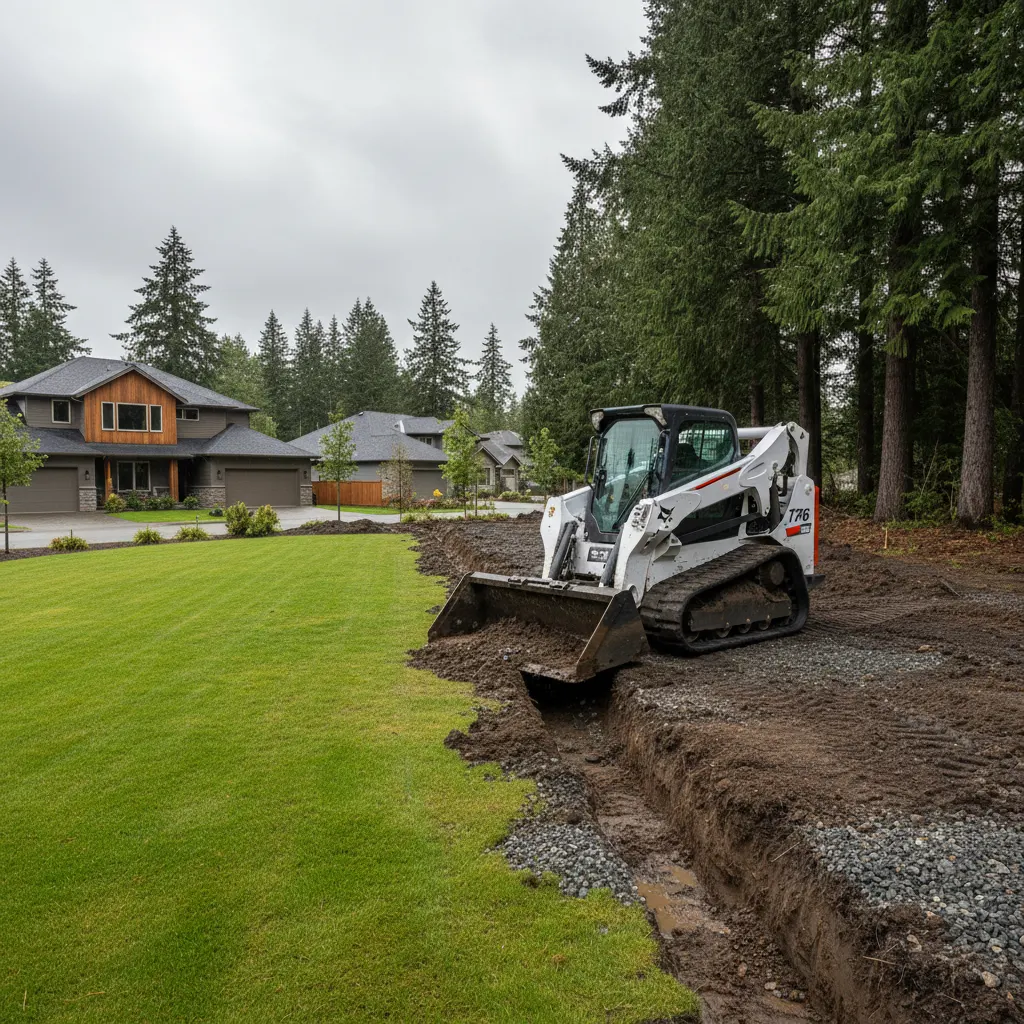
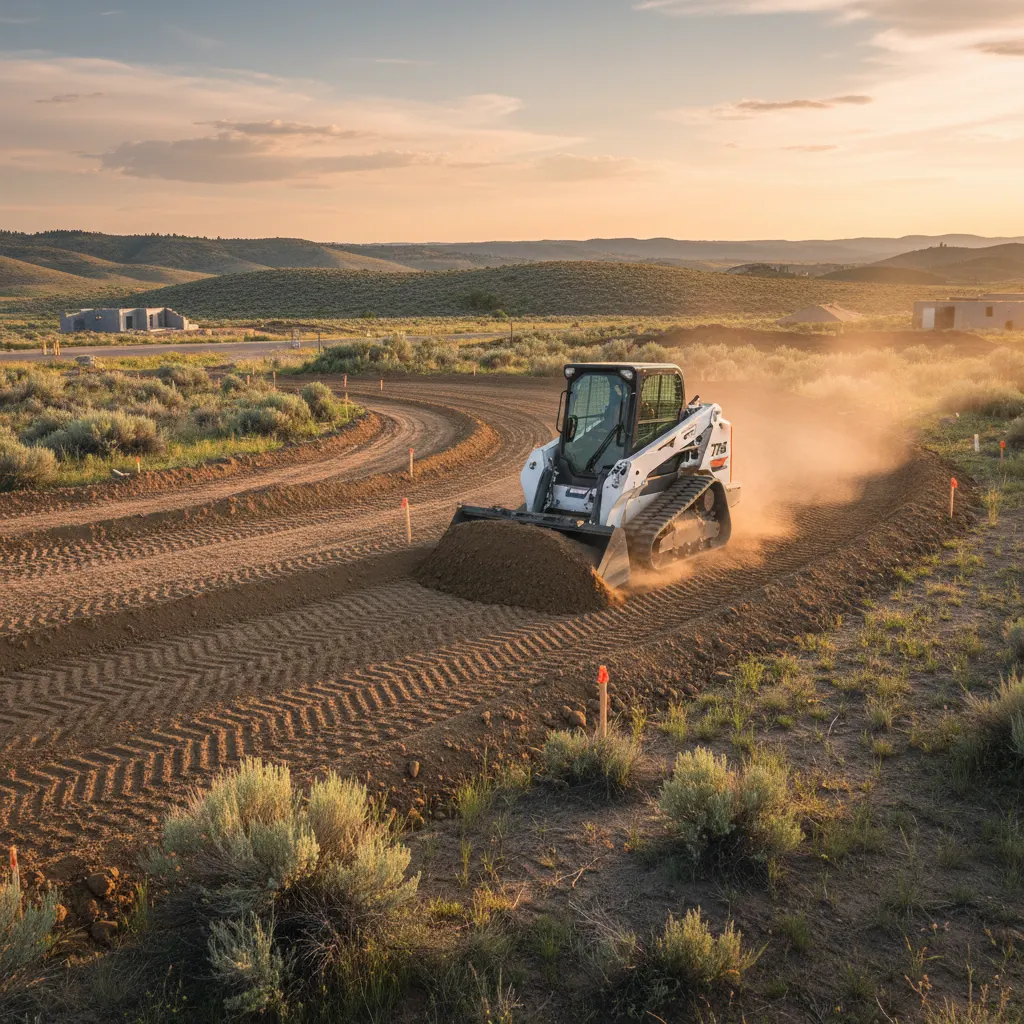
Annual clearing is one of the smartest first steps for property owners developing raw acreage in Grandview. Dense vegetation and debris conceal important site conditions like low spots, drainage paths and access problems. Scheduling regular maintenance gives owners a clearer picture of how their land functions through the seasons, rather than guessing at what is buried under a summer's worth of overgrowth.
The approach that works best is selective and recurring, not aggressive. Stripping too much cover at once exposes soil and increases runoff, trading one problem for another.
Why annual clearing matters before bigger plans
- Reveals hidden drainage patterns before planning improvements
- Opens safe access routes for vehicles and equipment
- Reduces competition from invasive or fast returning overgrowth
- Preserves stable ground cover where bare soil would create problems
Start by reading the land, not just the vegetation
Effective clearing begins with observation. On Grandview's terrain, subtle slopes can direct runoff across wide areas without an obvious channel to follow. Before cutting anything, walk the property and note where water stands after rain, where tire marks linger, where brush grows unusually dense from moisture collection, and which routes already work as natural travel lines.
Those observations decide which areas are worth opening up and which should stay buffered. A cleared path in the wrong place can unintentionally turn into a new water route.
How clearing supports drainage without overexposing the soil
Balance is the whole game here. Annual clearing should remove the growth that blocks visibility, crowds access or traps debris where water needs to move, while leaving enough rooted cover to hold the surface together. Ground that is suddenly left bare loosens and washes out more easily than lightly vegetated soil.
Careful clearing near future driveway approaches, fence lines and trail corridors defines how the property will be used without creating a new runoff lane in the process. As a rule of thumb: if the clearing makes a site easier to read, easier to reach, and less likely to trap unmanaged debris, it is doing its job.
Protect access now so future work is easier later
Regular clearing keeps access dependable across a property. It holds approach lanes visible, corners open, and travel paths free of encroaching brush, which matters most for owners running trucks, trailers or maintenance equipment across the site. Left alone, debris and regrowth along the shoulders of a route narrow the usable width and push traffic toward softer ground.
- Primary entrances and interior travel lanes
- Low areas where debris dams can trap water
- Future pad or storage zones that need to stay visible
- Fence lines and property edges disappearing into brush
- Transitions crossing uneven or soft ground
How to avoid erosion and runoff problems after clearing
Annual clearing works best as land management, not simple vegetation removal. That means thinking about how removed material gets handled, where equipment travels during the work, and whether disturbed ground needs light protection afterward. Preserving stabilizing cover where it is not in the way is usually what keeps a good cleanup from creating a drainage headache.
Timing matters too. Letting overgrowth build for several years makes the eventual clearing far more disruptive than a routine annual visit would have been.
What to evaluate before scheduling annual clearing
- Where water naturally collects, crosses or exits the property
- Which routes already function as the safest access lines
- What areas may later serve as pads, storage or utility corridors
- Where existing cover is helping stabilize the soil
- How much regrowth returns each year, and in which specific spots
Working through that list turns annual clearing from simple overgrowth cutting into deliberate property management for access, visibility, drainage awareness and future flexibility. Grandview acreage is easiest to work with when clearing helps you understand and protect the way the land already functions, opening key access areas and revealing drainage patterns without overexposing soil or inviting runoff.
Common questions
Frequently asked
How often should acreage be scheduled for annual clearing in Grandview?
Most properties benefit from yearly scheduling, which prevents brush and debris from accumulating to the point where access and drainage become hard to manage. Yearly intervals are easier on the land than multi-year delays that need a much heavier cleanup.
Can annual clearing help with drainage even if no grading is being done?
Yes. Clearing improves water handling by removing vegetation and debris that block natural flow paths, hide low areas or force traffic onto soft ground. It does not replace drainage design, but it makes existing patterns easier to see and maintain.
Will clearing everything make my property easier to use?
Not necessarily. Removing excessive cover exposes soil, increases runoff and reduces stability in areas that were previously protected. Effective annual clearing favors access, visibility and function while preserving the cover that supports drainage and erosion control.