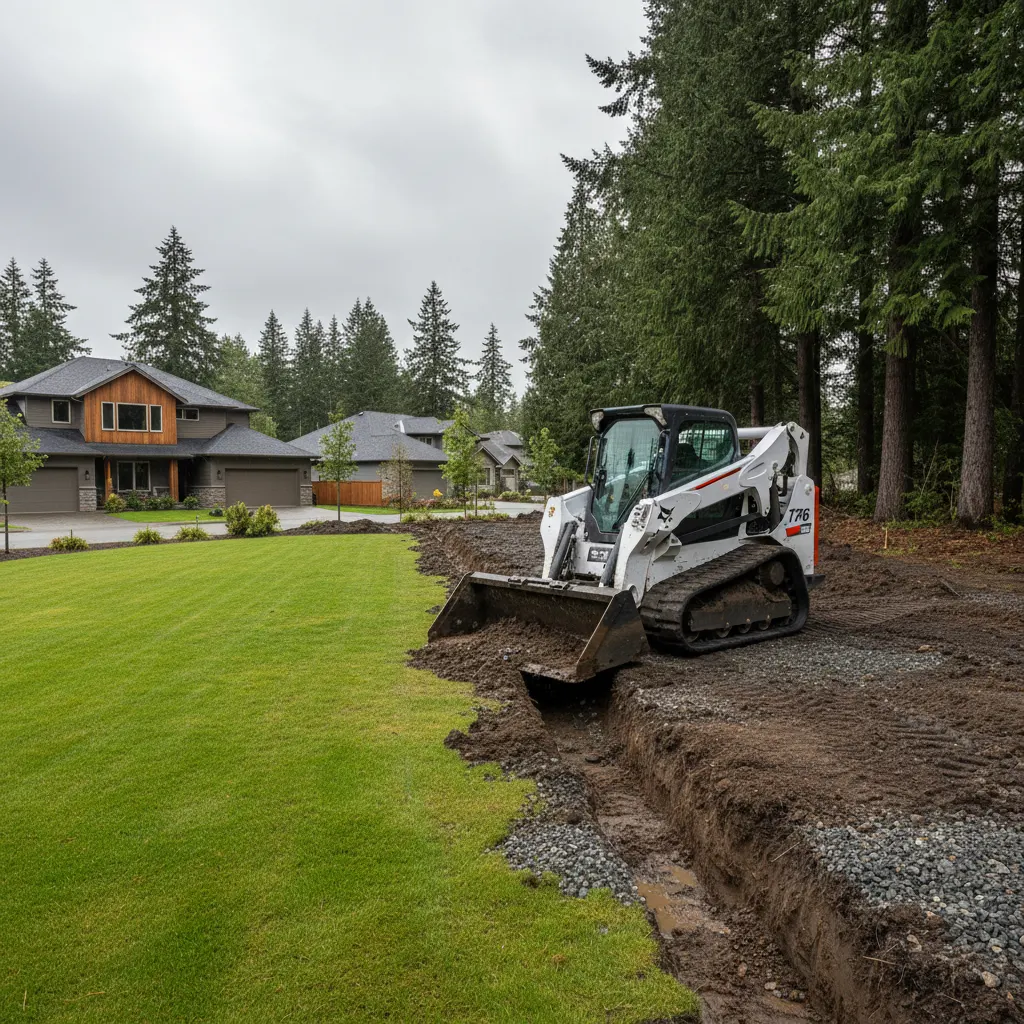
Drainage Service
Farm Drainage in Wallula: What to Clear First When You're Preparing Rural Property for Drainage Work, Trenching, or New Access
Clearing a rural property in the wrong order hides the exact things a drainage plan depends on. Here is the sequence that opens access first and saves the guesswork for later.
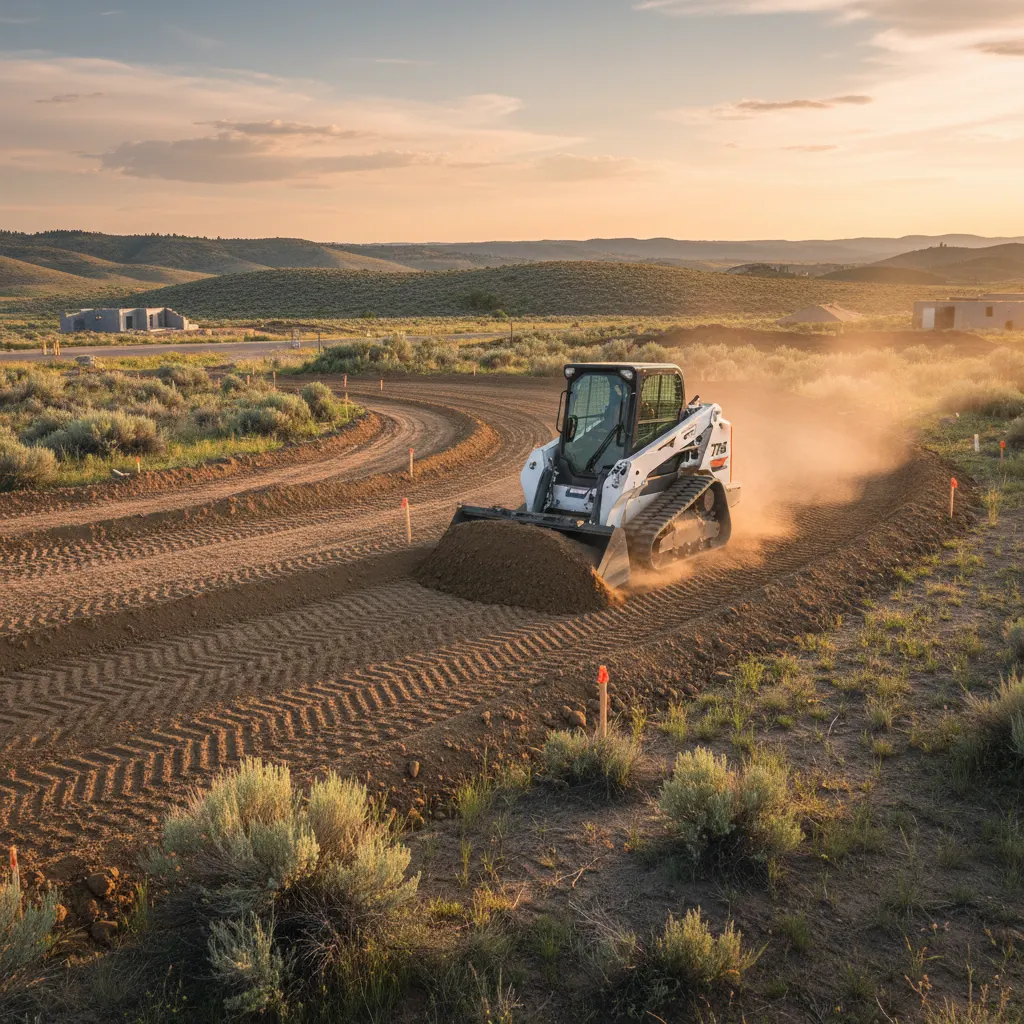
One of the most common mistakes property owners make before farm drainage work in Wallula is clearing the site in the wrong order. It is not about tidying up appearances. A proper cleanup opens access, exposes the drainage patterns already at work, removes what would get in the way of trenching, and leaves the ground in a state where it can actually be evaluated.
Before any drainage plan gets finalized, the property has to be readable. That means clearing the debris, overgrowth and surface clutter that hide low spots, block equipment, or send water in misleading directions. If standing water, soft ground or runoff have already shown up, those symptoms are worth reading against the wider site conditions before a shovel goes in the ground.
Start with access and visibility
The first priority is clearing whatever blocks safe access and a clear view of the site. If trucks and equipment cannot move in and out without crossing brush, scrap piles or fallen limbs, every step after that gets slower and less accurate. Open the route from the entrance to the proposed drainage area first, then work outward along fence lines, field edges, ditch lines and anywhere trenching or outlet work might happen.
- Remove dumped debris and loose material sitting near the work route
- Cut back tall weeds and overgrowth that hide grade changes or wet ground
- Clear around culvert inlets, ditch paths and natural drainage corridors
- Open enough room for equipment turning, staging and spoil placement
This early pass is about function, not finish. A property can still look rough and be ready for the next step, as long as the access lanes and drainage paths are visible.
Clear surface debris before judging the drainage problem
Once access is open, the next step is clearing surface debris that skews how the land actually reads. Piles of organic waste, collapsed fencing and scattered material can trap or reroute water temporarily, making the site behave differently than it does under normal conditions. Exposing the real surface profile is what lets low areas, swales and runoff channels show themselves.
This matters most on rural ground where years of unmanaged growth can disguise the true source of a wet spot. Owners sometimes assume they need deeper trenching when the actual problem is a blocked outfall or a shallow path packed with debris.
Address overgrowth around wet areas and proposed trench lines
After the broad debris pass, shift focus to vegetation around the wettest ground and the routes a trench is likely to follow. Thick grass, brush and root-heavy cover all slow down layout work and hide the edges of a trouble spot. Trimming it back helps define where water is entering, where it is collecting, and where it might be able to exit more effectively.
Do not push brush and debris into the nearest low spot to get it out of the way. That habit tends to block the very flow path a drainage layout is trying to preserve or improve.
Remove obstructions that affect grade, flow and equipment movement
With the site open, the next priority is anything that directly interferes with grade or equipment movement: old soil mounds, forgotten fill piles, buried rubble near the surface, makeshift crossings and compacted tracks that trap runoff. These features can create false high points, interrupt flow, or force equipment around unstable ground instead of through it.
It is easy to focus only on the obvious wet zone and forget the route equipment needs to reach the outlet, place pipe, or hold a consistent slope. Drainage work depends on that continuity holding up from one end of the job to the other.
Identify water exit points before final cleanup
One of the most important steps in preparing for farm drainage in Wallula is confirming where the water is actually supposed to go. Before cleanup wraps up, expose ditches, culvert ends, channel edges and any existing outlet points. Left buried under weeds, those areas make it hard to tell whether the property has an outlet limitation, a grade problem, or both.
At this stage, cleanup gets more selective. The goal shifts from clearing clutter to defining the path from collection point to discharge point, so the route in, through and out of the property is visible before drainage work starts.
What not to clear too early
Not every part of the property needs to be stripped at once. Existing surface cover often holds soil in place until drainage work is ready to begin, and clearing too aggressively can expose loose soil and add sediment movement in the gap between cleanup and installation. The better approach is phased: open access first, expose the drainage problem second, then remove only what interferes with layout and execution.
- Open the entrance and equipment routes
- Remove debris masking low spots and runoff channels
- Trim overgrowth around wet areas and trench paths
- Clear outlet points and flow corridors
- Leave stable cover in nonessential areas until work timing is set
Why cleanup order matters for farm drainage
Farm drainage depends on an accurate read of the site. If access is blocked, outlet points are hidden and debris sits in the low ground, even a well planned drainage approach starts with incomplete information. Clearing in the right order makes it easier to assess slope, find the water source, protect workable soil and move efficiently into trenching or drainage improvements without avoidable delays.
The goal is not to over-clear a property. It is to clear strategically, so the drainage issue is visible, accessible and ready to address with less guesswork. A focused cleanup plan is one of the smartest first steps a Wallula property owner can take before drainage work begins.
Common questions
Frequently asked
What should be cleared first before farm drainage work starts?
Start with access routes and the work area itself. Clear the debris, overgrowth and obstacles that block equipment or hide low spots, ditch lines and outlet points. Opening the site first makes it possible to evaluate the actual drainage problem and plan the work accurately.
Can overgrown vegetation really affect farm drainage planning?
Yes. Thick vegetation hides swales, soft ground, blocked flow paths and the edges of wet areas, and it makes trench routes harder to lay out. Clearing the right growth reveals how water actually moves across the property so drainage improvements land in the right place.
Should the entire property be cleared before drainage work?
Usually not. A phased approach works better: clear what is needed for access, evaluation, trenching and outlet visibility first, and leave stable cover in nonessential areas until work timing is confirmed. Clearing everything too early exposes soil and adds disturbance that was not necessary.