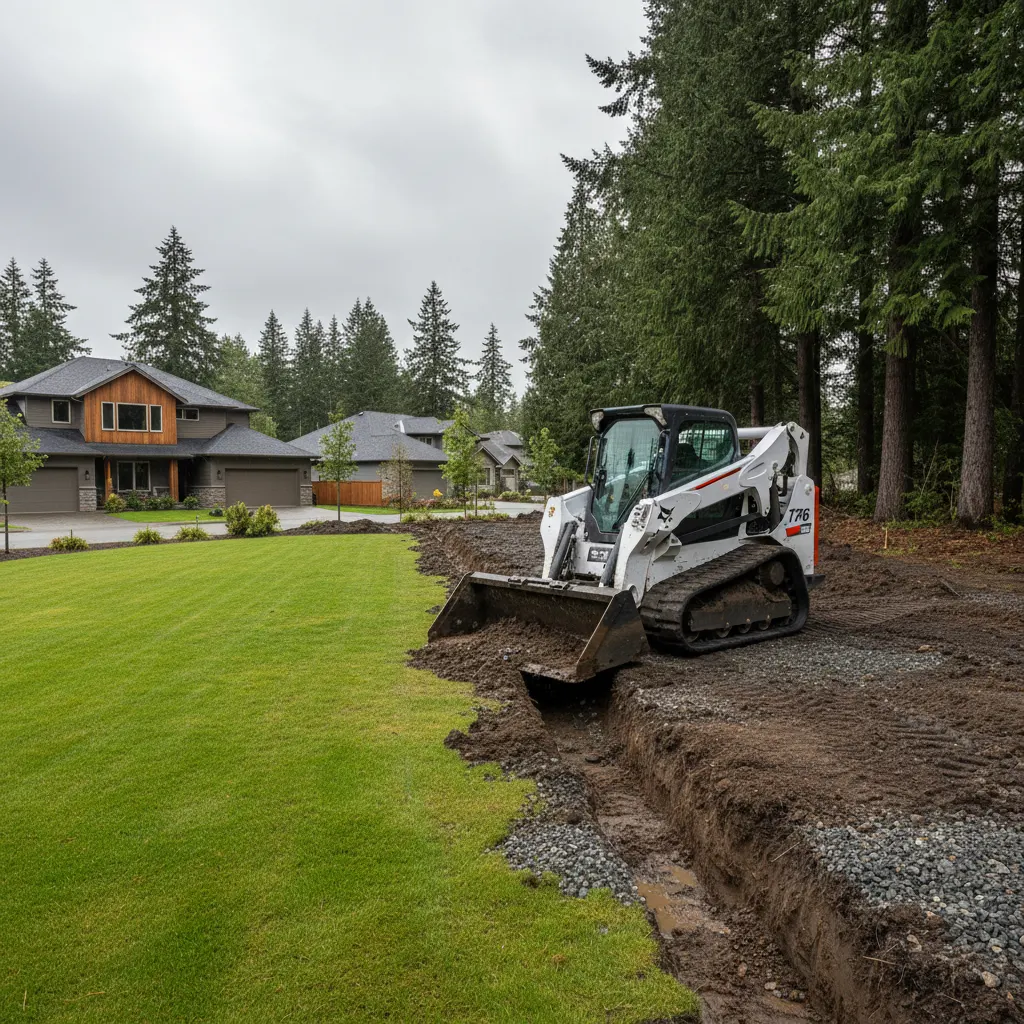
Debris Removal Service
Tree Removal in Richland: How to Reclaim Neglected Acreage Before Drainage, Trails, or Building Prep
When acreage sits untouched for years, tree removal in Richland is about more than looks. Dense growth hides buried debris, drainage paths and ground stability problems. Here is how a professional site review sequences the work so the property stays usable afterward.
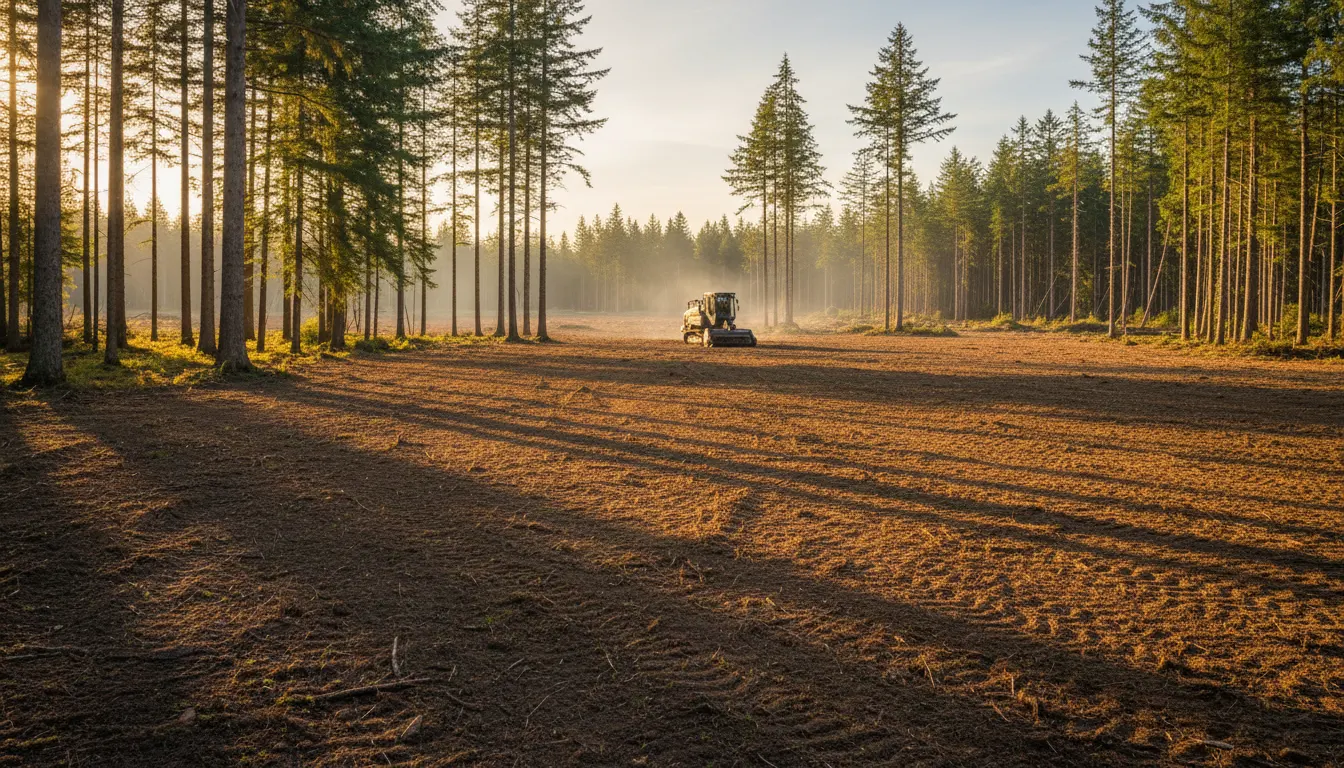
When acreage has sat untouched for years, it rarely needs just a quick trim. Tree removal in Richland is often the first major step in making a property safer, more usable, and better prepared for future land improvements. Whether you own a homesite, commercial parcel, or rural piece of ground, dense tree growth can hide unstable soil, buried debris, fencing, old stumps, and drainage patterns that affect what happens next. Before scheduling work, it helps to understand how a contractor evaluates the site, what conditions can slow progress, and why a clear removal plan protects both the land and your long-term investment.
Why neglected land often needs more than obvious clearing
On overgrown property, visible trees are usually only part of the issue. Thick understory, volunteer growth, deadfall, and hidden scrap can create a layered problem that affects safety, equipment movement, and disposal logistics. In many cases, property owners first notice the need for cleanup when access becomes difficult or when they begin thinking about future improvements. Even when the immediate need is strictly tree removal in Richland, understanding the broader site context helps avoid rework later.
Tree density also changes how a parcel behaves. Root systems may be stabilizing loose areas in one section while masking wet ground in another. Fallen limbs and unmanaged growth can trap moisture, conceal grade breaks, and block natural flow paths. A professional review looks beyond what should be cut and asks a more important question: what is this growth covering up? That answer determines sequencing, equipment approach, and how efficiently the property can be opened back up.
What to assess before scheduling tree removal
- Tree size, species mix, and spacing across the parcel
- Dead, leaning, split, or storm-damaged trunks
- Old fencing, dumped materials, or hidden metal in brush
- Slope changes, soft ground, and erosion-prone sections
- Driveway width, gate clearance, and turnaround space for equipment
- Nearby structures, utilities, or boundaries that limit removal methods
For many owners, access is the first hidden constraint. Equipment may have to move through narrow gates, soft shoulders, curved drives, or limited staging areas. Hauling removed material can be straightforward on one lot and slow on another simply because trucks cannot load or turn efficiently. Access planning matters as much as the cutting itself: the easier the site is to enter, stage, and exit, the smoother the project tends to go.
How overgrowth can hide drainage and ground stability problems
One of the biggest mistakes on neglected land is assuming dense growth equals stable ground. In reality, brush and volunteer trees can conceal shallow swales, compacted runoff paths, ponding areas, and erosion channels. Once trees are removed, these patterns become easier to see, but they should be considered before work starts so equipment does not create rutting or disturb already weak sections.
This does not mean tree removal should be delayed indefinitely. It means the work should be planned with the land in mind. On some parcels, preserving specific routes for equipment travel prevents unnecessary disturbance. On others, sequencing removal from the perimeter inward allows better visibility and safer handling. The goal is not simply to cut trees down, it is to open the property in a way that reveals conditions clearly and leaves the site manageable after the material is removed.
Common obstacles that affect tree removal in Richland
Every property has its own constraints, but several issues come up repeatedly during tree removal in Richland. Boundary uncertainty can limit where equipment operates. Abandoned wire, posts, concrete, and scrap hidden in vegetation can slow cutting and increase wear on machinery. Tight clearances near homes, shops, retaining features, and driveways can require a more deliberate removal sequence. In older neglected areas, multiple generations of growth may be intertwined, with dead trunks or hanging limbs creating hazards that are not obvious from the ground.
A smart first step
Walk the property and note where access narrows, where water lingers, and where debris may be buried under growth. Those details help shape a safer, more efficient tree removal plan.
Owners also benefit from thinking about the property's next use. If the land will eventually support paths, utility corridors, or building preparation, the removal pattern should support that future layout rather than create extra cleanup later. Planning ahead is especially valuable on larger parcels where opening one area can change how the rest of the site is reached. Intentional layout decisions now lead to a more functional property later.
What a professional site review should cover
- Walking the parcel to identify priority trees and hazard areas
- Reviewing access routes for equipment and hauling
- Checking for soft ground, drainage concerns, and grade changes
- Noting nearby improvements, setbacks, and material staging space
- Confirming how removed wood and debris will be handled
A thorough review gives property owners realistic expectations. It clarifies what can be removed efficiently, what may require extra protection or sequencing, and what site conditions could affect timing. The more coordinated the plan, the fewer surprises you are likely to face as the property becomes usable again.
How to prepare your property before the crew arrives
You do not need to over-manage the site before work starts, but a few simple steps help. Mark known property corners if available. Identify any irrigation lines, visible utility components, or private improvements that should be protected. Remove movable items near access points. If sections of the land are especially soft after watering or weather, mention that during scheduling. These details help your contractor plan safe entry, staging, and removal routes for tree removal in Richland.
It is also wise to define the objective clearly. Some owners want to restore visibility and reduce hazards. Others want to open enough space to evaluate the land for future use. Those are different scopes, and the best results come when the intended outcome is discussed upfront. A contractor can then prioritize hazard trees, preserve practical access, and remove the growth that is preventing the parcel from being understood and used properly.
Choosing the right approach for long-term site usability
The most effective tree removal in Richland does more than make a lot look cleaner for a few weeks. It should leave the property easier to inspect, easier to move across, and easier to plan. Once heavy overgrowth is gone, owners can better evaluate grade, drainage, boundaries, and future layout options without guessing what is hidden underneath. That clarity is valuable whether the land is primarily residential, commercial, or mixed-use.
If your acreage has become hard to access, difficult to maintain, or impossible to assess accurately, professional tree removal in Richland can be the step that brings the property back into focus. By evaluating overgrowth, debris, access restrictions, and hidden drainage concerns before work begins, you can make smarter decisions and set the land up for safer, more usable conditions. White Arrow Land Works helps property owners in Richland approach tree removal with a practical site-first mindset so the results support the next phase of the property, not just the immediate cleanup.
Common questions
Frequently asked
How do I know if my property needs professional tree removal instead of simple trimming?
If trees are dead, leaning, crowded, blocking access, growing into structures, or hiding major portions of the land, removal is often the better option. On neglected acreage, the issue is usually site usability and safety, not appearance alone. A professional review can identify whether the trees are creating hazards, masking drainage problems, or preventing proper use of the property.
What site conditions can make tree removal more complicated in Richland?
Common complications include narrow gates, soft ground, buried debris, hidden fencing, slopes, unstable soil, and limited staging space for equipment and hauling. Trees located near buildings or other improvements also require more careful planning. These factors affect how the work is sequenced and how efficiently material can be removed from the property.
Should I wait until I know my future plans for the property before scheduling tree removal?
Not necessarily, but you should share your long-term goals before work begins. If the property may later support trails, drainage improvements, or building preparation, the removal pattern should help preserve access and visibility in the right areas. A site-first plan allows tree removal to support future use instead of creating extra work later.