Debris Removal Service
How Kennewick Acreage Owners Can Use Overgrowth Removal to Plan Hunting, Camping, or Trail Areas Without Long-Term Drainage and Access Problems
Dense brush hides the low spots, obstacles and natural runoff paths that decide where a trail, camp clearing or hunting route will actually hold up. Here is how to sequence overgrowth removal on Kennewick acreage so recreation areas do not turn into rutting and drainage problems.
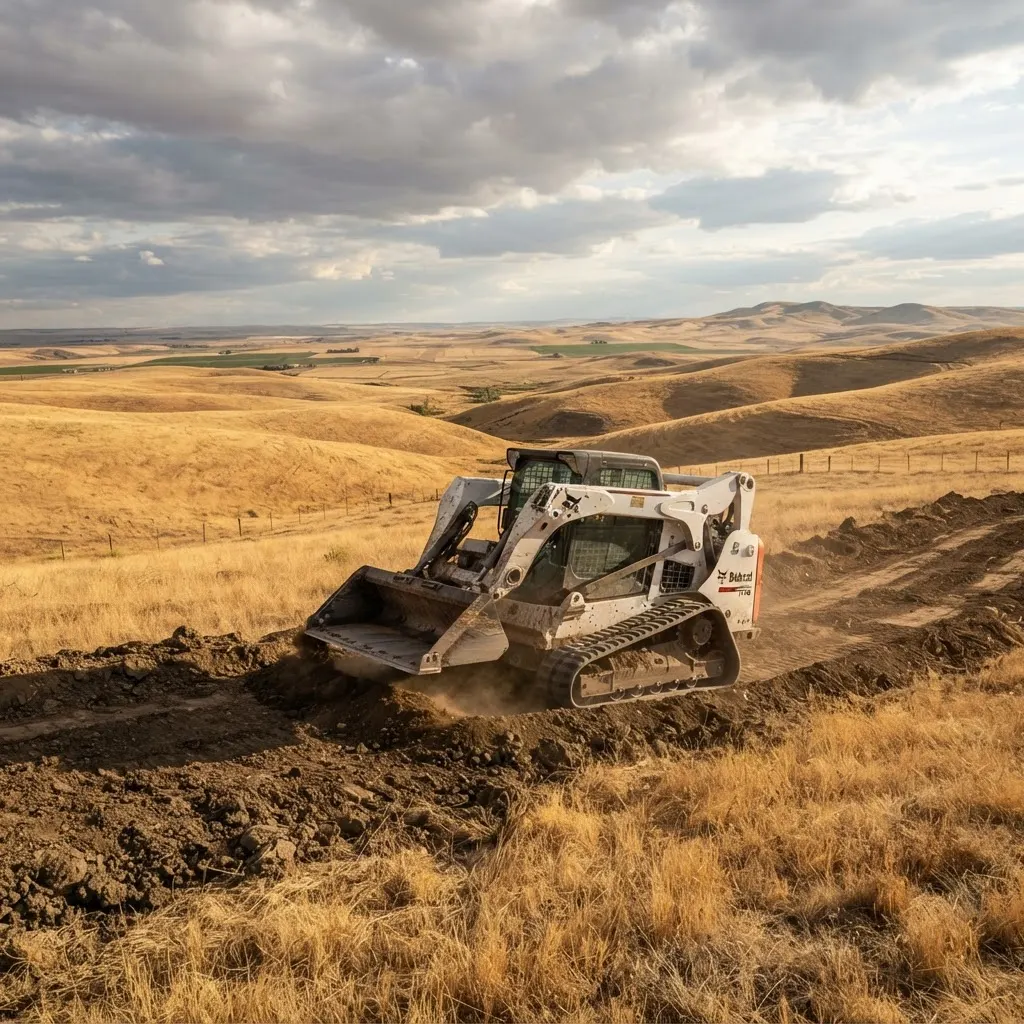
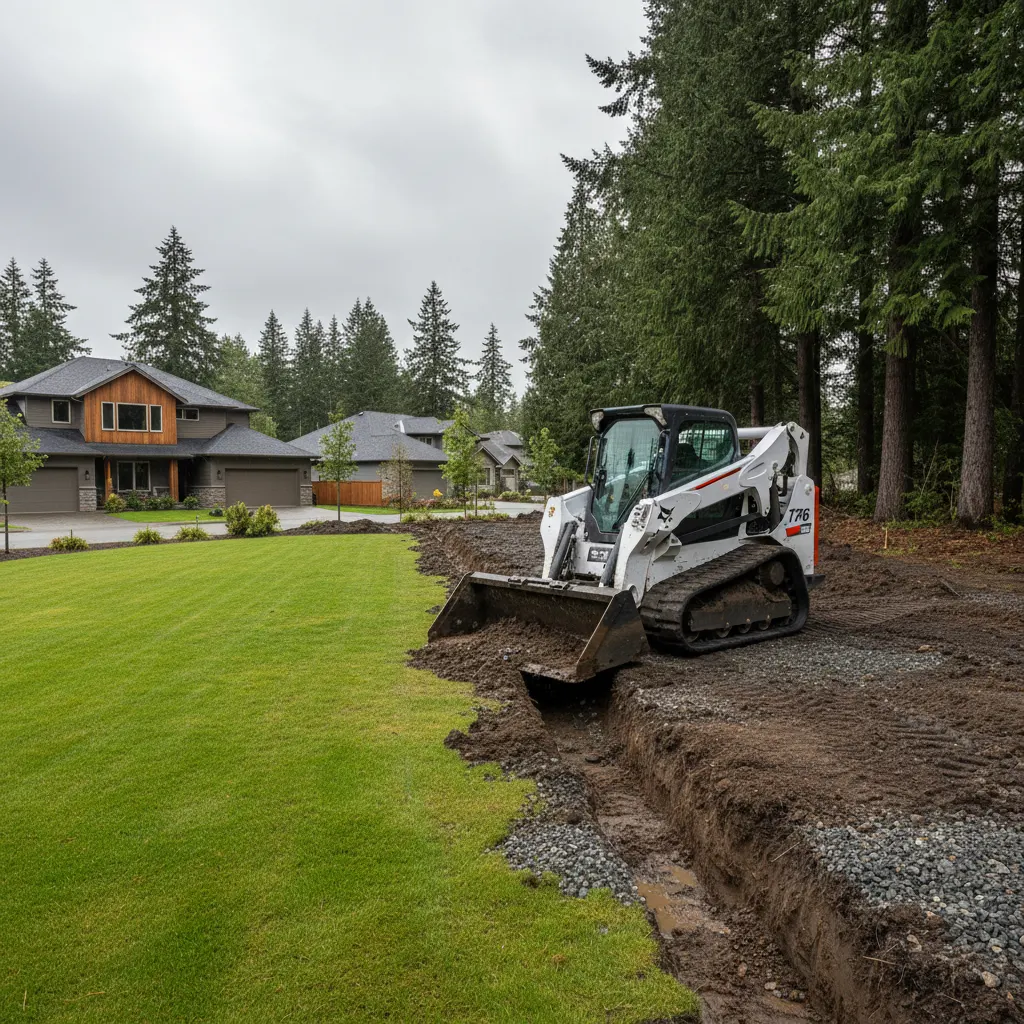
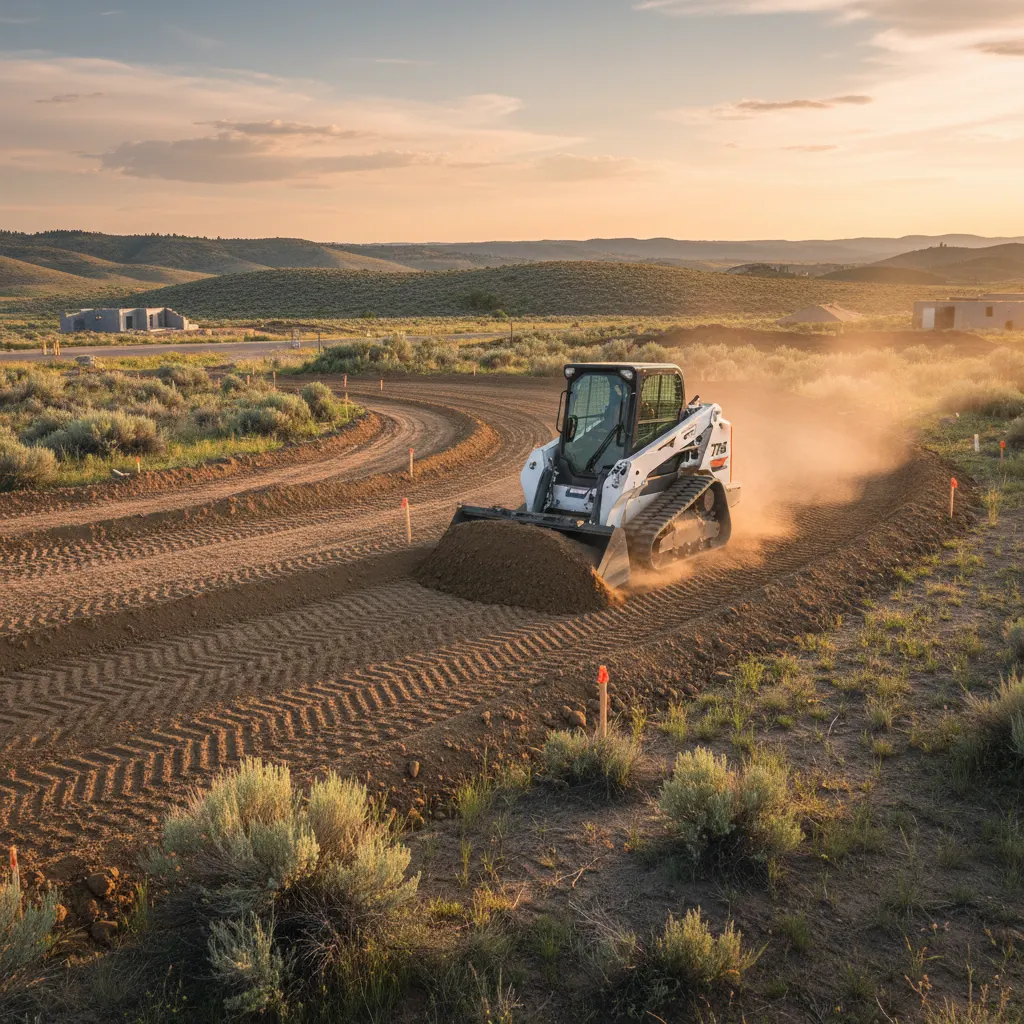
Overgrowth removal in Kennewick is often the first step for acreage owners who want to create usable space for hunting, camping, horseback riding, walking paths, or ATV and UTV routes without setting themselves up for years of drainage and access trouble. Before a property feels usable, it needs visibility, reach, and a practical layout. The challenge is that clearing too much, too fast, or in the wrong order can expose soft ground, send runoff into the wrong places, and create chronic ruts where people and equipment travel most. A professional approach to overgrowth removal helps landowners open the property intentionally so future recreation areas are safer, easier to maintain, and more dependable through changing seasons.
On many acreage properties, thick brush, volunteer growth, low limbs, and hidden debris make it difficult to understand how the land actually functions. What looks like a simple trail corridor may hide uneven grade, compacted pockets, seasonal wash paths, or narrow choke points that limit vehicle movement. Overgrowth removal should be treated as the enabling step that reveals the site before owners commit to exact trail loops, blind access, camp clearings, or staging spots.
Selective clearing also helps preserve what should remain. Not every plant mass is a problem, and not every open area is a good candidate for regular traffic. Some vegetation helps slow runoff, support edge stability, and separate activity zones naturally. During overgrowth removal, the goal is not to strip the property bare. The goal is to expose the land well enough to identify where recreation makes sense, where water already wants to move, and where repeated use would likely create mud, erosion, or maintenance headaches.
The sequencing mistake that causes long-term problems
A common mistake is laying out routes and destination areas before the site is properly opened. Owners may choose a trail because it looks direct, then discover later that it crosses a low area that stays soft, funnels water after storms, or forces repeated turns around brush that should have been removed first. Overgrowth removal should come early enough to let you evaluate line of travel, turning radius, visibility, and usable width before the path becomes established through repeated use. That kind of early planning can prevent the familiar pattern of wheel ruts, widening trail edges, and muddy detours that slowly damage more of the property.
- Open sight lines first so you can read the property correctly
- Identify natural low spots before traffic patterns become permanent
- Preserve stabilizing vegetation near drainage-sensitive edges
- Widen access only where recurring use actually requires it
- Remove hidden obstacles that force off-path travel later
How overgrowth removal supports better hunting, camping, and trail layouts
For hunting access, overgrowth removal can improve quiet entry routes, sight lines, and safer movement without pushing traffic into wet or unstable ground. For camping, it helps define areas that feel usable without placing tents, trailers, or fire features in spots that collect runoff. For walking, horseback, ATV, or UTV use, it exposes where a route can hold up with repeated movement and where a route would become a maintenance burden.
Another benefit of overgrowth removal in Kennewick is that it reveals practical access hierarchy. Most acreage does not need every route widened equally. Usually there is one primary corridor, a few secondary paths, and occasional spur access to a camp area or viewpoint. Clearing based on actual function helps avoid unnecessary disturbance. That means less exposed soil, fewer places for runoff to accelerate, and lower odds that traffic will spread outward when conditions turn soft.
Think in zones, not just paths
The most usable recreational acreage usually has a clear entry zone, a main movement corridor, and destination areas opened only as much as needed. Overgrowth removal works best when each zone has a purpose.
What a professional evaluation looks for during clearing
When planning overgrowth removal, a professional does more than identify what to cut. They look for hidden stumps, buried material, pinch points, slope transitions, and signs that water already concentrates in certain areas. They also consider how recreational use changes the site over time. A trail that seems fine during dry weather may break down quickly once repeated turning, braking, or hoof traffic starts wearing the surface.
In many cases, selective overgrowth removal helps define where not to build activity. Leaving the right buffer of vegetation can protect edges, reduce dust, screen uses, and keep water from moving too quickly across disturbed ground. This matters especially around informal trail intersections, camp perimeters, and approach routes where repeated movement can slowly widen the disturbed footprint.
Seasonal usability starts with smart clearing limits
One of the main goals for acreage owners is simple: they want the property to stay usable longer through the year. Overgrowth removal contributes to that goal when it is balanced. Over-clearing can leave surfaces more exposed to drying, loosening, and washout. Under-clearing can trap movement into narrow channels that rut faster and stay muddy longer. The right approach creates enough room for safe, repeatable use while preserving the vegetation and ground cover that help the site remain stable.
How to know your acreage is ready for regular recreational use
After overgrowth removal, the property should feel easier to read and easier to move through without forcing people or equipment into problem areas. Main routes should be visible, destination areas should have clear boundaries, and trouble spots should be obvious enough to avoid or address before they become habits. If the land still encourages random travel patterns, blind turns, or repeated detours around leftover growth, the site is not truly ready for dependable recreational use.
The best results come from treating overgrowth removal in Kennewick as a planning tool, not just a cleanup task. When the land is opened strategically, owners can make better decisions about where to walk, ride, stage gear, and spend time without creating patterns that are expensive or frustrating to live with later. Recreational acreage should feel intentional, not improvised.
Conclusion
If your goal is to create hunting access, camp zones, or durable trail corridors, overgrowth removal in Kennewick is the right place to start. Done in the right sequence, it helps reveal drainage behavior, guide safer access, preserve useful vegetation, and reduce the long-term rutting and erosion issues that often come from rushed clearing. For acreage owners who want recreational land that stays functional and easier to maintain, professional overgrowth removal in Kennewick provides the foundation for smarter decisions from the very beginning.
Common questions
Frequently asked
Why should overgrowth removal happen before I decide exactly where trails or campsites go?
Because dense growth can hide low spots, obstacles, narrow access points, and natural runoff paths. Removing overgrowth first gives you a more accurate view of how the land functions so you can place trails and recreation areas where they are more likely to stay usable.
Can clearing too much vegetation create drainage or erosion issues on acreage?
Yes. Removing too much cover can expose soil, speed up runoff, and make high-traffic routes break down faster. A selective approach is usually better because it opens the property while preserving vegetation that helps stabilize edges and slow water movement.
What types of recreational property uses benefit most from professional overgrowth removal?
Hunting access, camping areas, walking paths, horseback routes, and ATV or UTV corridors can all benefit. Professional overgrowth removal helps define safer movement patterns, improve visibility, and reduce the chance that repeated use will create ruts, detours, or difficult maintenance conditions.