Agricultural Service
Irrigation Trenching in Benton City: How Property Owners Can Improve Access, Control Regrowth, and Reduce Restoration Costs
Irrigation lines rarely exist in isolation. Here is how a smart trench layout in Benton City protects access, limits regrowth and repeat digging, and keeps restoration costs down.
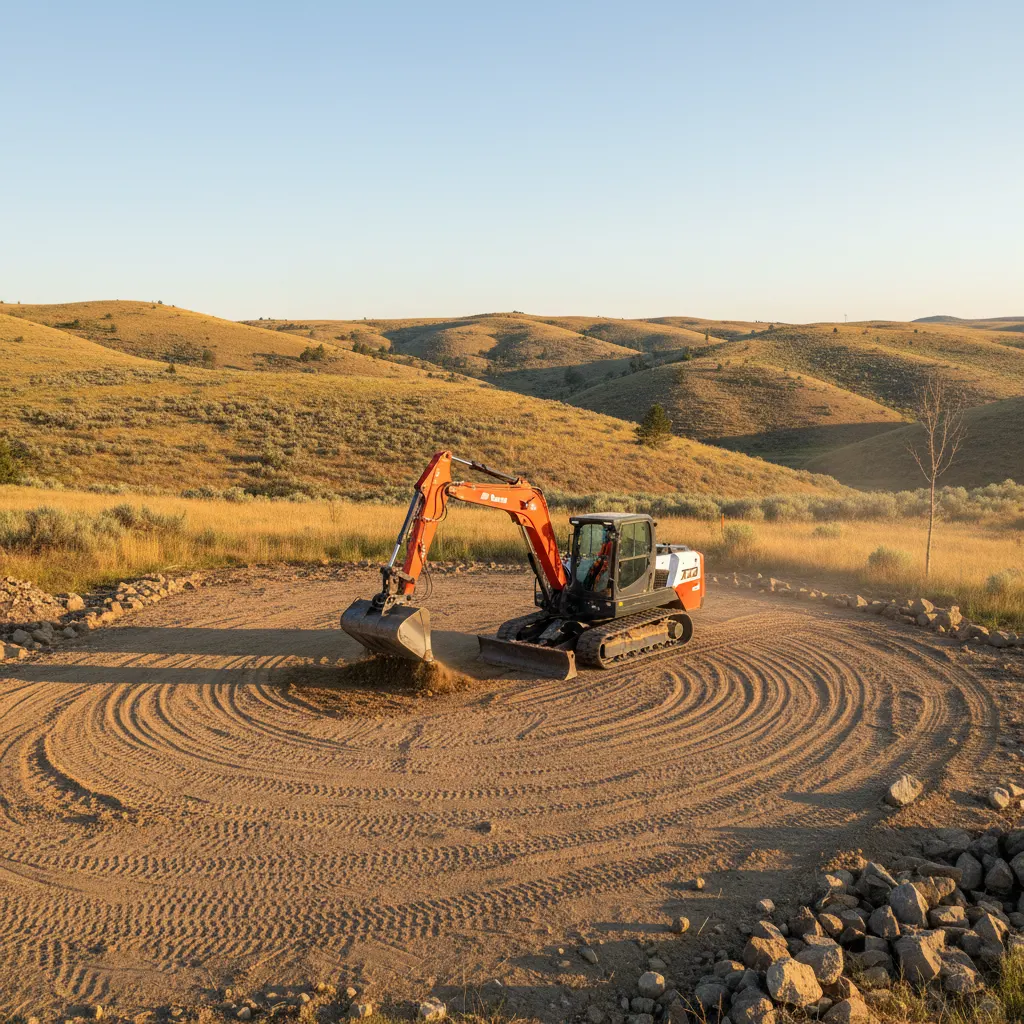
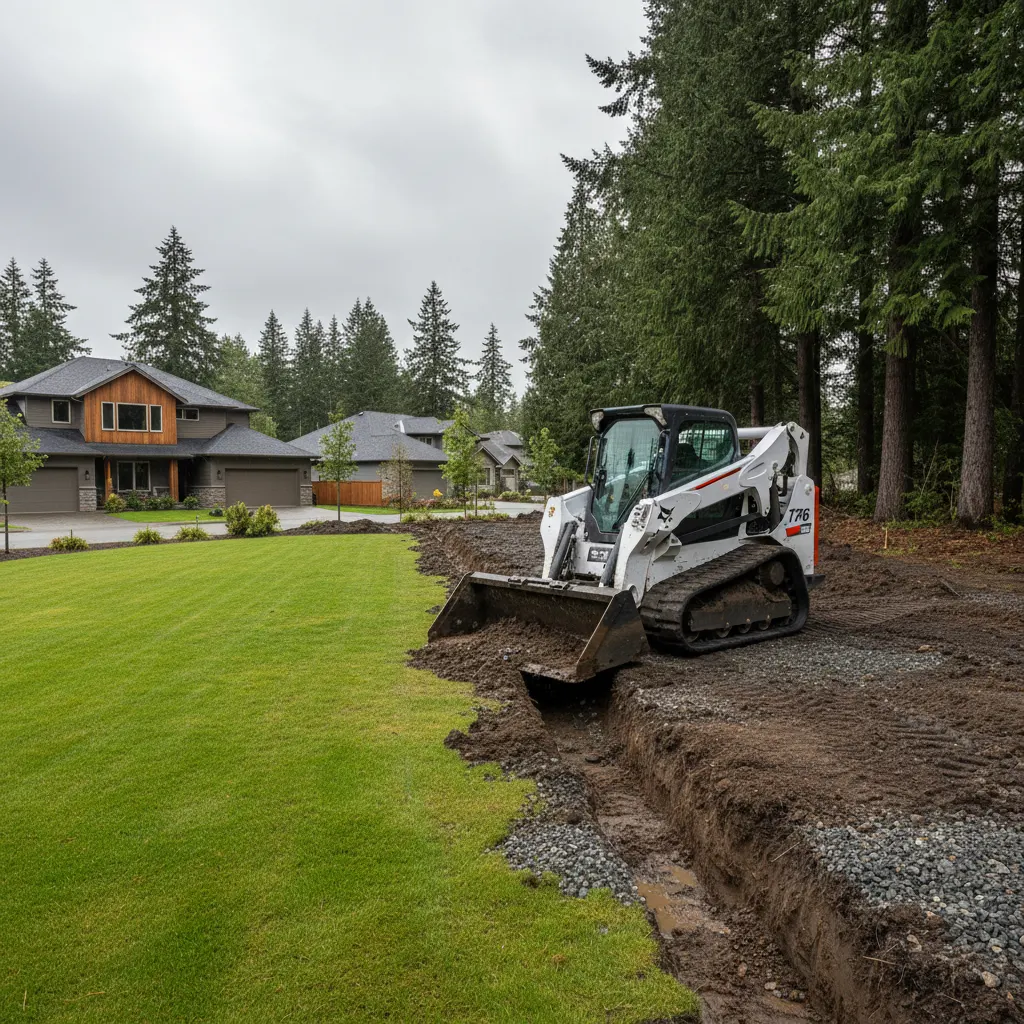
Irrigation trenching in Benton City is often one of the most practical upgrades a property owner can make when the goal is better water distribution, cleaner site organization, and easier use of land for homes, shops, orchards, or small commercial layouts. While many owners focus only on getting pipe in the ground, the real value of irrigation trenching comes from how well it supports access, limits repeated disturbance, and reduces the amount of corrective work needed later. For homeowners and local business owners in Benton City, a trenching plan that matches the property's grades, traffic paths, and future use can save time, protect usable space, and make the entire site easier to manage.
On rural lots and larger parcels, irrigation lines rarely exist in isolation. They affect where vehicles can travel, where planting zones can expand, and how future site work gets sequenced. That is why trenching should be planned as part of the broader property layout rather than treated as a quick utility cut. If a site already has standing water, soft areas, or uneven grades, those drainage warning signs are worth addressing before trenching begins. Good irrigation trenching starts with reading the ground correctly.
Why trench layout matters more than most property owners expect
The placement of irrigation trenches can either support the way a property functions or create obstacles that show up for years. In Benton City, many properties need to balance open space, drive lanes, planting areas, and future expansion. A professional trench layout helps keep irrigation routes direct while avoiding unnecessary crossings under heavily used access points. That matters because every extra crossing can add complexity to future repairs, add restoration work, and increase the likelihood that traffic will eventually affect shallow or poorly planned runs.
For example, if a property owner intends to add a shop pad, orchard rows, or a more defined yard and service area later, trenching should be aligned with those long-term goals now. Even when the immediate need is simply water service distribution, the route of the trench can influence how smoothly future phases come together.
- Preserves cleaner access routes across the property
- Reduces repeated digging in the same areas
- Helps protect future planting and building zones
- Makes maintenance and line tracing easier later
How irrigation trenching supports access and usable space
One of the biggest benefits of well-executed irrigation trenching in Benton City is that it helps organize the property without wasting usable ground. Instead of running lines wherever there is open soil at the moment, a thoughtful approach keeps trenches coordinated with fence lines, edges of planting zones, future landscape transitions, and low-conflict corridors. That preserves more open space for equipment movement and daily use.
This is especially important on properties where owners want room for trailers, deliveries, tractors, or routine yard access. If irrigation lines are installed without enough forethought, later changes can mean additional cuts through finished areas. Understanding the cost drivers behind rural and acreage projects can help owners see why getting the layout right the first time usually leads to a more efficient project overall.
Cleaner trenching often means less restoration later
Property owners sometimes compare trenching options only by immediate installation cost, but restoration needs can change the value equation quickly. A clean trench path with sensible routing, proper spoil management, and minimal unnecessary disturbance can reduce the amount of grading, surface repair, and landscape correction that follows. On sites with planned gardens, orchard sections, or future build pads, that can be a major advantage.
In practical terms, irrigation trenching becomes smarter when it avoids disrupting the exact areas an owner is trying to improve next. If a property plan includes a future structure or more formal site organization, the same principle applies: sequence the work so one phase does not create extra cleanup for the next.
Before irrigation trenching begins in Benton City, it helps to identify future drive lanes, planting zones, and any likely building areas so trench routes can avoid avoidable rework.
When irrigation trenching is a smart step before orchards, trails, or buildable areas
Irrigation trenching is often most effective when it is scheduled before the property is fully finished but after the owner has a clear idea of how the land should function. In Benton City, that often means trenching before orchard expansion, before final trail edges are defined, or before a buildable area is fully shaped and surfaced. Installing lines too early can lead to route changes. Installing them too late can mean cutting through areas that were already improved.
For orchard or agricultural-adjacent layouts, irrigation routing should support row spacing, equipment turning needs, and maintenance access. For residential acreage, it should preserve options for future additions and keep water delivery practical without cluttering the site. The same land use planning logic applies here: site work should make the next phase easier, not harder.
Common mistakes to avoid with irrigation trenching in Benton City
- Running trenches through future traffic corridors without a long-term reason
- Ignoring drainage patterns that can affect trench stability and line performance
- Installing lines before the property layout is defined well enough
- Creating scattered trench paths that complicate future maintenance
- Failing to coordinate trenching with later planting or surface improvements
These issues are rarely just technical problems. They usually become usability problems. A line placed in the wrong corridor can affect vehicle access. A trench set through a future work zone can trigger another round of disturbance later. And if the property already has low spots or runoff concerns, those should be evaluated upfront, the same way base prep and grading get evaluated to prevent washouts and ruts. The details differ, but the underlying lesson is the same: ground conditions and layout decisions matter.
What professional trench planning should include
A professional approach to irrigation trenching in Benton City should begin with a review of property use, grades, access routes, and likely future improvements. The goal is not just to install pipe efficiently, but to do so in a way that preserves flexibility and minimizes disruption. That includes choosing routes that are easy to identify later, limiting unnecessary crossings, and coordinating trench work with the owner's broader property goals.
For homeowners, that may mean protecting lawn transitions, garden areas, and future hardscape zones. For local business owners, it may mean preserving service access, parking flow, or expansion space. In either case, irrigation trenching should be treated as foundational site infrastructure. When it is done with the end use in mind, the property is easier to maintain, easier to improve, and less likely to need avoidable rework.
Choose irrigation trenching in Benton City with the full property plan in mind
Irrigation trenching in Benton City delivers the best results when it is planned around access, long-term maintenance, and how the property will actually be used over time. Whether you are preparing for orchard rows, organizing open acreage, or protecting future building space, the right trench layout can reduce restoration needs, preserve usable ground, and make later improvements much more straightforward. For property owners who want a cleaner, more strategic outcome, irrigation trenching in Benton City should be approached as an important part of the overall land plan rather than a standalone task.
Common questions
Frequently asked
When should irrigation trenching be scheduled on a Benton City property?
Usually after you have a clear site plan but before final surface improvements are complete. That timing helps avoid cutting through finished areas later and allows trench routes to align with future planting, access, or building zones.
How does trench layout affect future property maintenance?
A well-planned layout makes lines easier to locate, reduces unnecessary crossings in high-traffic areas, and helps avoid repeat digging. That can simplify repairs, protect access routes, and lower the chance of disturbing finished parts of the property.
Can irrigation trenching help prepare a property for orchards or future building areas?
Yes. When trenching is coordinated with row spacing, access lanes, and likely building zones, it supports future development instead of interfering with it. The key is planning routes around how the land will be used over time.