Earth Works
How Pasco Property Owners Can Use Brush Clearing to Prepare UTV, ATV, and Horseback Trails Without Creating Erosion or Drainage Problems
The way vegetation is removed for a trail affects water movement, soil stability and how easy the route is to maintain. Here is how to plan brush clearing for UTV, ATV and horseback trails that hold up season after season.
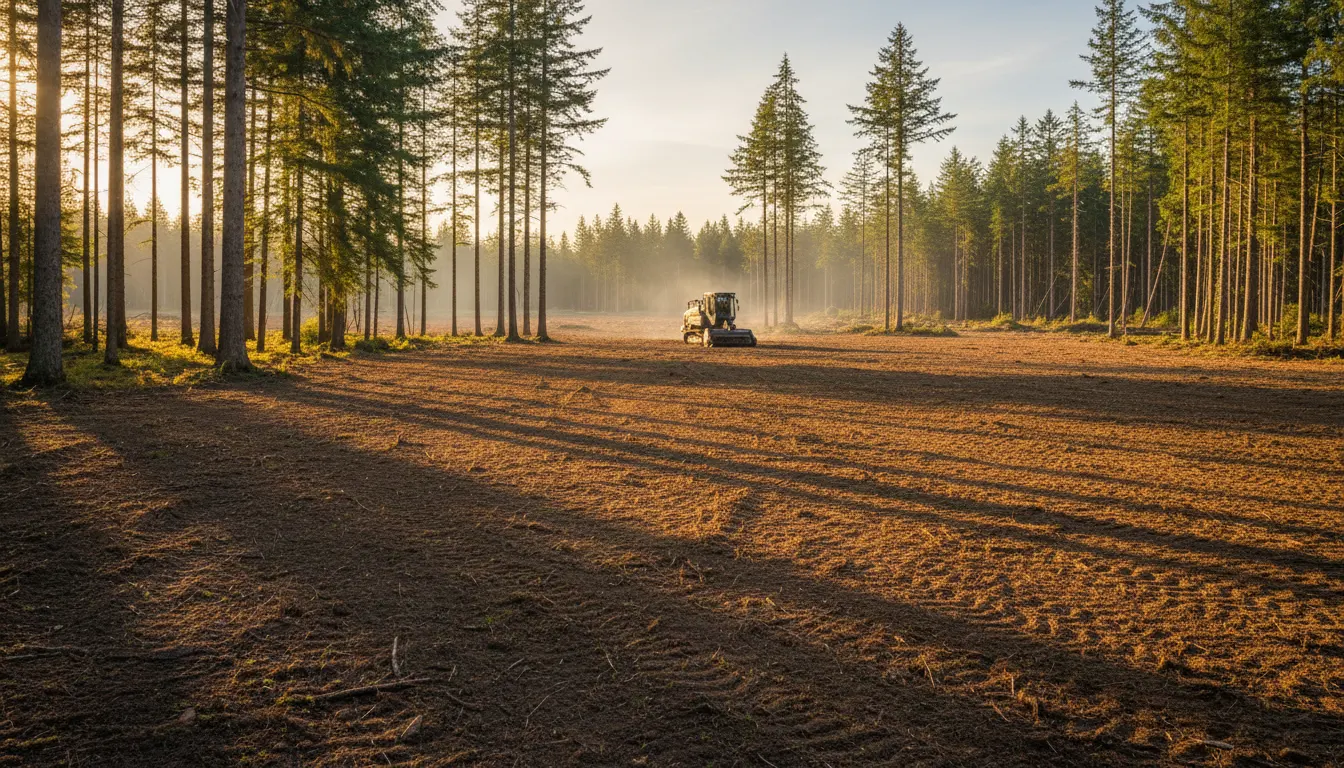
For acreage owners who want dependable recreational access, brush clearing in Pasco is the first step toward building UTV, ATV, and horseback trails that stay functional without turning into washouts, muddy ruts, or ongoing maintenance problems. Whether the goal is a private riding loop, access between outbuildings, or a trail network across larger ground, a well planned clearing strategy helps property owners open routes with better sightlines, safer turns, and less risk of erosion or drainage trouble later.
The biggest mistake many property owners make is treating trail creation like a simple cut through project. In reality, the way vegetation is removed affects water movement, soil stability, route visibility, and how easy the trail will be to maintain year round. Strategic clearing is not just about making room, it is about preserving root structure where needed, exposing terrain features before route decisions are finalized, and creating a trail corridor that works with the land instead of against it. If you are still evaluating the condition of your acreage, it can help to understand the difference between full land clearing and selective clearing before deciding how much vegetation should come out.
Start with route planning before any clearing begins
Successful trail systems begin with route planning, not equipment movement. Before any brush clearing in Pasco starts, property owners should identify natural slopes, low spots, existing drainage paths, compacted areas, and sections where vegetation is actually helping hold soil in place. A trail that looks convenient on a dry day may become the first place runoff collects during seasonal rain or irrigation overflow. Clearing too early, or clearing too aggressively, can remove the visual clues that show where water already wants to travel.
A professional approach often starts by walking the property and flagging possible routes based on grade, visibility, and intended use. UTV and ATV trails need enough width for comfortable travel and turning, while horseback trails benefit from smoother transitions, fewer sudden blind corners, and predictable footing. In many cases, the best alignment is not the straightest line. It is the line that avoids concentrated runoff, minimizes steep climbs, and reduces the chance that repeated use will cut channels into exposed soil. Many of the same access and terrain evaluation principles apply to any raw acreage being prepared for building or heavier use.
Why brush clearing matters for trail safety and longevity
Thoughtful brush clearing in Pasco does more than remove nuisance growth. It improves line of sight, reveals hidden grade changes, opens room for safer passing or turning, and helps define a consistent corridor that users can follow without drifting into softer shoulders or unstable edges. Overgrown routes often force riders and drivers to improvise, and that repeated wandering widens the disturbed area over time. The result is more exposed soil, more uneven wear, and more places for water to collect.
Selective removal is often the smartest option for recreational trails. Keeping some vegetation in place outside the travel corridor can help slow runoff, support slopes, and reduce wind driven drying of fine soils. The goal is not to strip the land bare. The goal is to open a route that is visible, usable, and maintainable while leaving enough surrounding cover to protect the site. That same principle applies to other access focused projects, such as clearing brush ahead of utility excavation, where access and visibility improve when clearing is targeted instead of excessive.
How poor clearing choices create erosion problems
Trail erosion usually begins with one of three issues: a route placed directly in a drainage path, a trail cut too steeply up or down slope, or clearing that removes stabilizing vegetation from the wrong places. Once water starts moving down the trail itself, tires, hooves, and repeated traffic make the damage worse. Small rills become channels, channels become washouts, and maintenance gets harder every season.
- Cutting a straight path up a slope instead of following a gentler contour
- Clearing vegetation all the way to the edge of a trail where roots were holding soil
- Ignoring low areas that stay soft after rain or irrigation
- Leaving blind corners that force wider turns and shoulder breakdown
- Opening too much disturbed ground at once without a clear trail corridor
These issues are preventable when brush clearing in Pasco is planned around how the site drains naturally. In some cases, overgrowth removal is also part of reclaiming neglected acreage before access routes can even be evaluated properly. The core lesson is the same: trail usability depends on respecting the land's existing patterns before opening it up.
Key planning principle
The best trail corridor is rarely the fastest to clear. It is the one that balances access, visibility, slope, and water movement so the route stays stable with less upkeep.
What property owners should look for before clearing a trail corridor
Before beginning brush clearing in Pasco, property owners should identify where water enters, crosses, and exits the proposed route area. Even a lightly used recreational trail can fail early if the corridor crosses wet ground without considering how surface water behaves. Watch for shallow swales, compacted livestock paths, signs of previous standing water, exposed roots, and loose or sandy soils that may break down under repeated traffic.
It is also important to think about maintenance access from the beginning. If a route is too narrow, too winding, or blocked by leftover brush at the edges, it becomes harder to mow, inspect, or touch up later. A clean, intentional corridor saves time long after the initial work is done. Work planned this way makes future use easier, not more complicated.
Brush clearing for different trail uses
Not every recreational trail should be cleared the same way. UTV and ATV routes often need a more defined width, better corner visibility, and enough room to avoid clipping brush with handlebars or vehicle sides. Horseback trails benefit from a calmer corridor with smoother edges, fewer sudden obstacles, and reduced overhead interference. In both cases, brush clearing in Pasco should be tailored to the actual use of the trail rather than applying one standard width or pattern everywhere.
Property owners also need to consider frequency of use. A trail used every weekend will show wear faster than an occasional access lane, which means the initial clearing layout matters even more. When the corridor is planned for realistic traffic, users are less likely to create bypass tracks around puddles, ruts, or brush encroachment. Those informal detours are often what expand erosion and make a once clean route harder to manage.
When professional brush clearing makes the biggest difference
Professional brush clearing in Pasco is especially valuable when a property has mixed terrain, dense overgrowth, hidden grade changes, or existing drainage concerns. Experienced site work helps identify where clearing should be limited, where visibility should be improved, and where a proposed route may need to shift before use patterns create expensive wear. Instead of opening a trail and discovering problems later, property owners can make better decisions while the land is still in a planning stage.
This matters even more on acreage that has been neglected for years, where brush can hide old ruts, soft spots, debris, or informal water channels. Understanding common water management options, and thinking about vegetation around structures or access zones as part of a broader property strategy, is why targeted clearing works better than random removal.
Conclusion: build better trails by starting with smarter brush clearing
For recreational routes that stay safer, cleaner, and easier to maintain, brush clearing in Pasco should be approached as a site planning decision, not just a cleanup task. The right clearing strategy helps property owners shape trail corridors that respect drainage patterns, preserve stability where it matters, and support reliable UTV, ATV, and horseback use over time. When trail goals are matched with thoughtful brush clearing, acreage owners can enjoy better access now and fewer erosion related headaches later.
Common questions
Frequently asked
How wide should a recreational trail be after brush clearing?
The ideal width depends on how the trail will be used. UTV and ATV routes usually need more room for turning, visibility, and edge clearance, while horseback trails often prioritize smoother alignment and fewer abrupt obstacles. The key is creating a corridor wide enough for safe travel and routine upkeep without over-clearing and exposing unnecessary soil.
Can brush clearing help reduce muddy or washed-out trail sections?
Yes, when it is planned correctly. Brush clearing can improve visibility, reveal drainage patterns, and help establish a better route before traffic starts wearing the ground down. It does not solve every water issue by itself, but it is an important first step in avoiding trails that run through low spots, soft areas, or natural runoff paths.
What is the biggest mistake property owners make when opening trails on acreage?
One of the most common mistakes is clearing the most direct path without evaluating slope, water flow, and soil stability. A route that seems convenient at first can quickly develop ruts, standing water, or erosion if it follows a drainage line or removes too much stabilizing vegetation. A planned approach usually saves time and maintenance later.